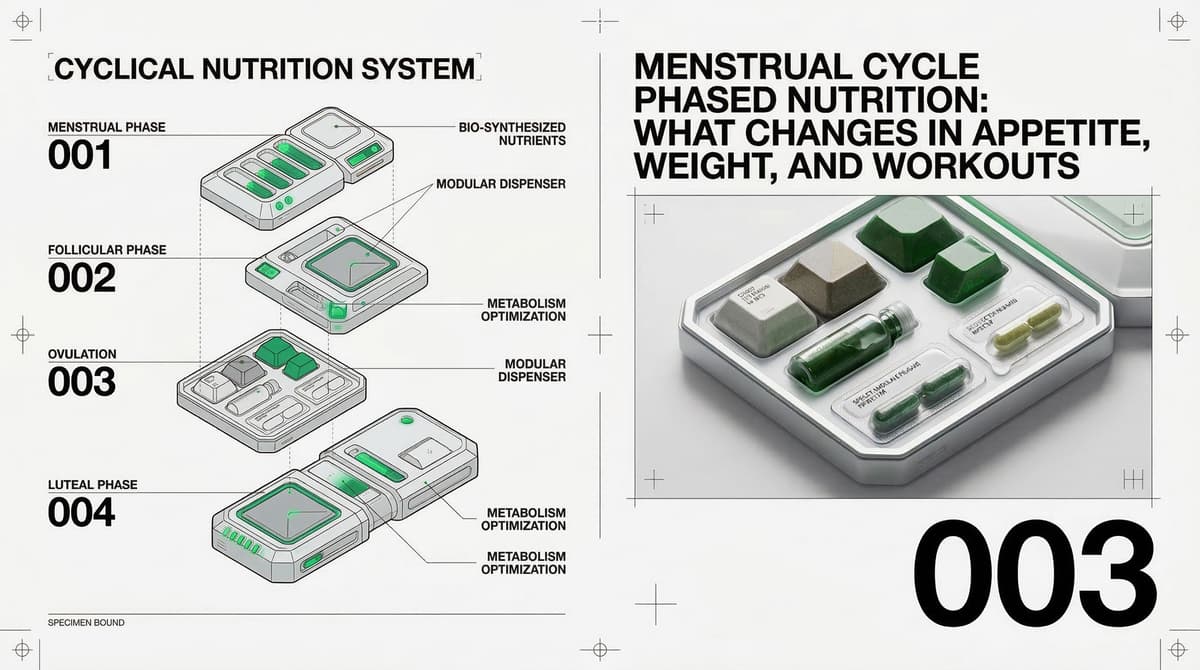
The menstrual cycle isn’t just “a period once a month” — it’s a whole set of body settings that shifts smoothly from week to week. And yes: appetite, the number on the scale, mood, and how workouts feel can genuinely be different at different times. The key is to remember two things: these aren’t strict rules, just common patterns — and they show up differently for everyone.
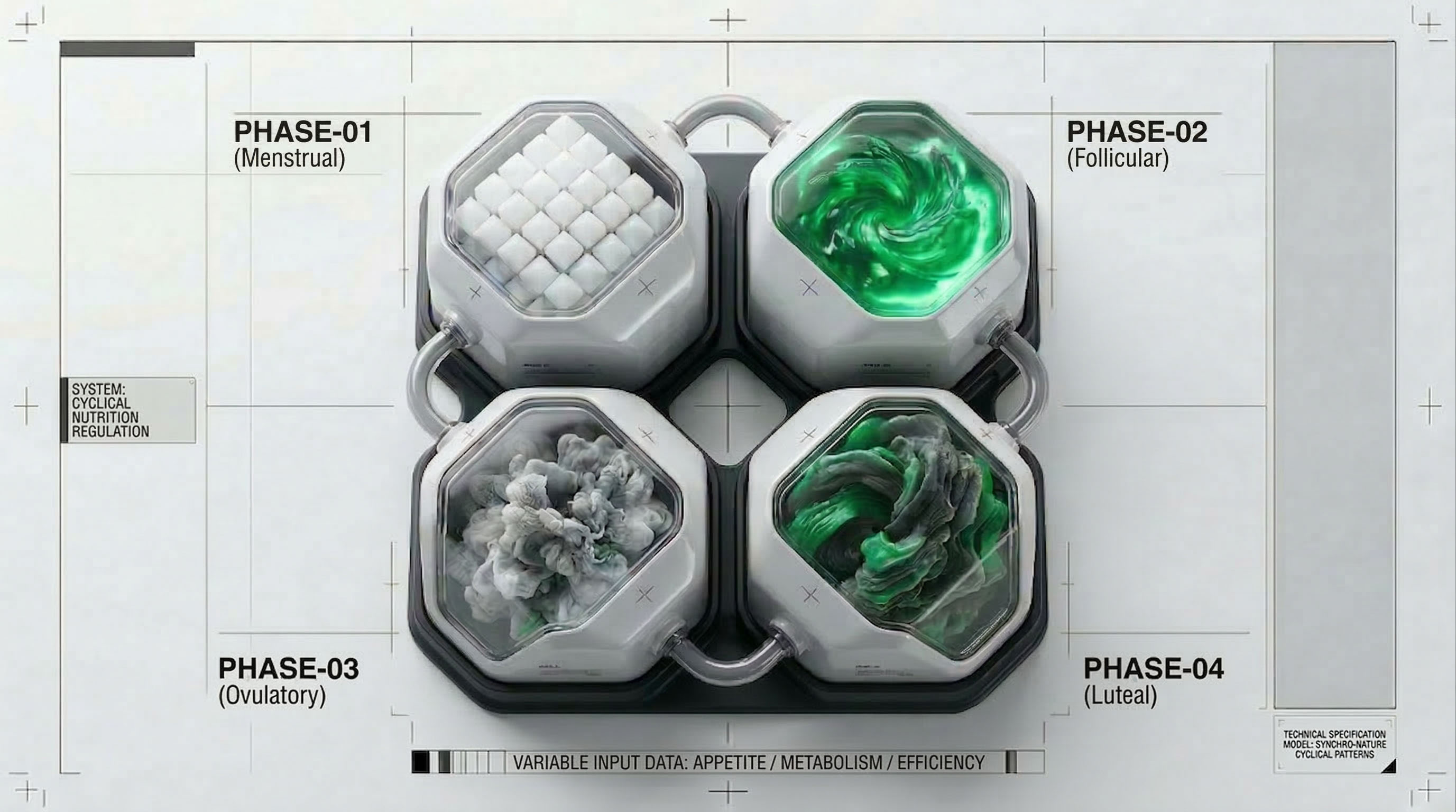
How the cycle affects the body (and why it’s normal)
The cycle is usually divided into 4 phases: menstrual, follicular, ovulatory, and luteal. The main “conductors” here are estrogen and progesterone: their levels rise and fall, and along with them change your energy, appetite, thermoregulation, and even how much water your body holds.
One more important point: a cycle ≠ a perfect 28 days. Normal ranges can be wider, and stress, lack of sleep, crash diets, flights, illness, intense training, and contraception can noticeably change the picture.
Menstrual phase: “I take care of myself, but I don’t put life on hold”
What you might often feel
Energy can be lower, especially in the first 1–2 days.
Some people have less appetite; others crave something “quick and warming.”
Cramps, breast tenderness, and headaches are possible.
Nutrition: gentle support
Lean into simple, warm, nourishing foods: soups, porridge, stewed vegetables, fish, eggs, cottage cheese, legumes (if they feel good for you).
If you feel weakness/dizziness — especially with heavy bleeding — consider iron in your diet (and labs if symptoms are regular). Heavy periods increase the risk of iron deficiency and anemia.
Examples: red meat (if you eat it), liver (occasionally), lentils, beans, buckwheat, spinach, pumpkin seeds.
Tip: Pair plant-based iron with vitamin C (citrus/kiwi/bell pepper) to improve absorption.
Workouts
If pain and fatigue are strong: choose walking, gentle yoga, stretching, light cardio, breathing practices.
If you feel okay: you can train as usual — just follow how you feel and your RPE (perceived effort), not “I must.”
Follicular phase: “Drive and curiosity switch on”
After your period ends, estrogen starts rising — many people feel lighter, in a better mood, and more ready for activity.
Nutrition
It’s often easier to keep a routine: steadier appetite, fewer sudden “I need sweets now” moments.
Great time for more “structured” goals: hitting protein, adding fiber, returning to consistent meals.
Plate ideas:
Protein at every meal: eggs/yogurt/fish/chicken/tofu/legumes.
Fiber: vegetables + whole grains + berries/fruit.
Fats: nuts, olive oil, avocado (optional).
Workouts
For many, this is a strong phase for progress: strength training, intervals, new exercises, increasing working weights.
If you track your cycle and notice “week two is my best,” you can plan key sessions here. But don’t overdo it — sleep and stress still matter more.
Ovulatory phase: “Energy peak — but don’t forget technique”
Ovulation is often linked with a feeling of “I can do anything”: energy may be higher, workouts feel easier, and appetite is sometimes slightly lower. But there’s no evidence of a mandatory productivity peak for everyone — it’s individual. In sports guidance, a common idea is: don’t try to predict records by the calendar; track your own symptoms and recovery instead.
Nutrition
Keep quality steady: protein + fiber + solid carbs.
If training is intense, don’t cut food too aggressively — under-eating can come back as fatigue and cravings later.
Workouts
A good time for intensity if your body responds well.
Technique and warm-up are always non-negotiable (regardless of phase).
Luteal phase: “Appetite grows, weight can jump — and you’re not broken”
This is the phase after ovulation until your period starts. This is where the classic combo often shows up: cravings for sweets/carbs, a desire to “snack on something else,” lower stress tolerance, and suddenly +1 kg on the scale “out of nowhere.”
Why appetite can increase
Reviews suggest that energy intake and/or desire to eat increases for many people during the luteal phase, and rising progesterone often coincides with stronger hunger.
There’s also evidence that resting metabolic rate may be slightly higher in the luteal phase (the effect is small, but noticeable for some).
Why “weight gain” isn’t fat
In the luteal phase, water retention often increases and “puffiness” can feel more noticeable. Weight can fluctuate due to water, gut contents, salt, carbs (glycogen holds water). This is especially annoying if you track progress — but the measurement method helps a lot:
How to weigh yourself without panicking
Weigh more often, but look at the weekly average, not a single number.
Compare the same cycle days (e.g., “day 7” to “day 7”), not “today vs yesterday.”
Nutrition in the luteal phase: “Don’t forbid — assemble”
Instead of fighting yourself, try adding things that genuinely reduce snack cravings:
Protein + fiber at every meal (they keep you full longer).
Carbs aren’t the enemy: focus on complex ones (oats, buckwheat, potatoes, whole-grain bread, legumes, fruit). They often help both mood and workouts.
If you crave sweets:
plan “smart sweets” — yogurt + berries + honey, cottage cheese + banana, cocoa, baked apples, a couple of squares of chocolate after a proper dinner, not instead of it.For bloating, simple things often help: water, walking, easing up on ultra-salty foods, adding potassium-rich foods (banana, potatoes, beans, greens) — without extreme restriction.
Workouts in the luteal phase
There’s no universal ban on intensity. But many people notice:
higher perceived effort (the same exercise feels harder),
more need for sleep and recovery.
A good compromise:
keep strength training, but reduce volume (fewer sets) or keep 1–2 reps “in reserve”;
add more walking/Zone 2, mobility work, light intervals if you feel good;
prioritize sleep and nutrition — they often help PMS more than any strict rules.
By the way, body temperature is usually higher in the luteal phase, and heat/stuffy gyms may feel tougher — so water, electrolytes, and sensible intensity matter even more
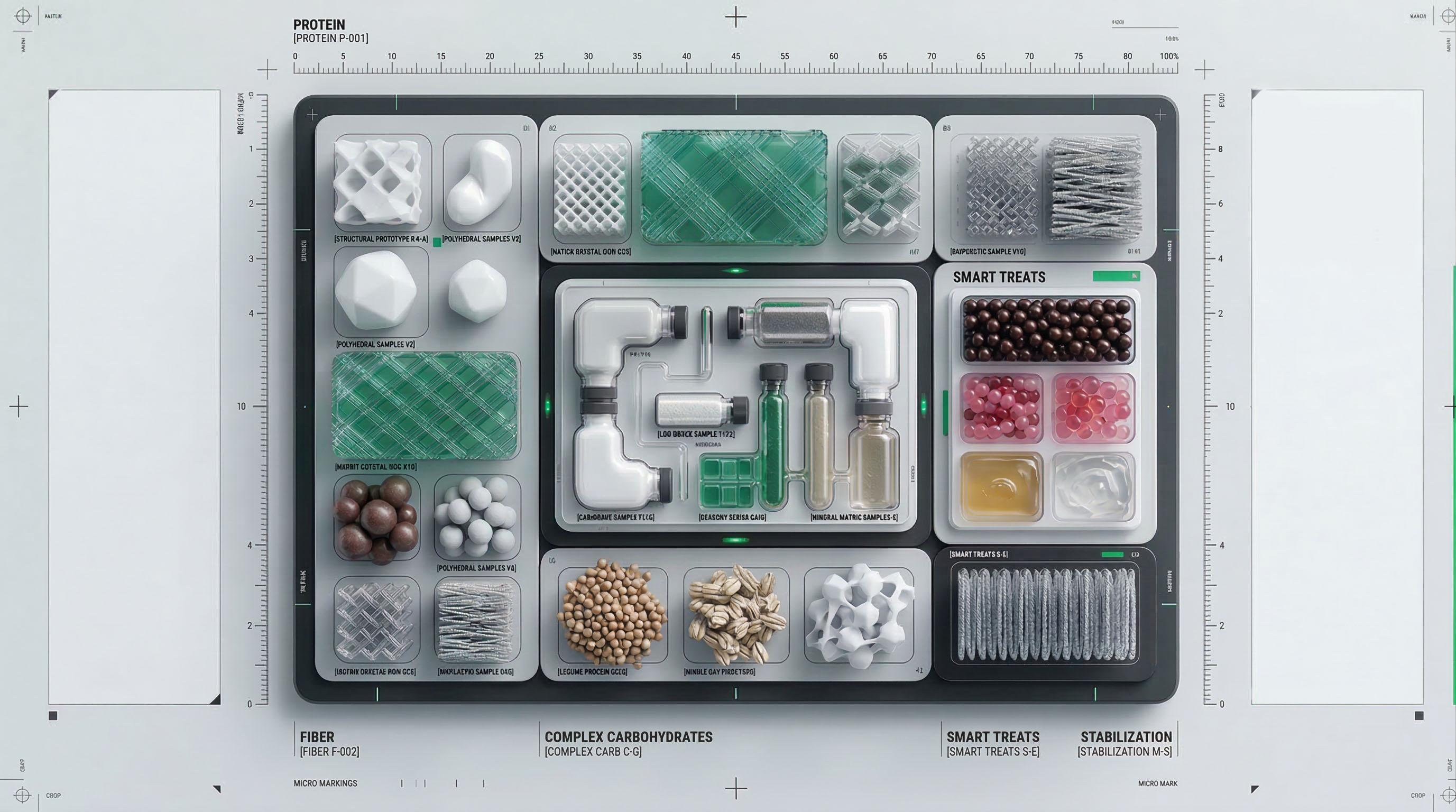
What about “training by the cycle” — does it really work?
The most honest scientific stance right now is: on average, the impact of cycle phases on athletic performance is small, but symptoms (pain, fatigue, sleep, mood) can have a noticeable effect. That’s why rigid schemes like “only cardio in this phase, only strength in that phase” rarely fit everyone. What’s much more useful is tracking your personal responses and adjusting load to the reality of that specific month.
How Nutri helps you do this without hassle
The most valuable thing is turning feelings into clear patterns. Not “I think,” but “this is how it usually is for me.”
In Nutri, you can:
mark your cycle phase and symptoms (appetite, sweet cravings, swelling, sleep, mood);
track water, fiber, protein, salt/sugar (if that matters to you);
log workouts and see which weeks strength feels best and which weeks recovery works better;
notice what actually helps (e.g., “when I hit my protein, I binge less,” “when I sleep 8 hours, PMS is milder”).
Practical tips that almost always work
Don’t compare yourself “in general.” Compare yourself in the same conditions: sleep, stress, phase, nutrition.
If you’re very hungry — it’s not weakness. Start with the basics: a proper meal, not endless snacking.
In the luteal phase, keep filling snacks ready: yogurt/cottage cheese, eggs, portioned nuts, fruit, hummus, whole-grain bread.
If weight jumps — look at weekly averages and how you feel.
If your periods are very heavy, your cycle suddenly becomes irregular, pain “shuts down your life,” or you have severe weakness/shortness of breath/dizziness — that’s a reason to talk to a doctor and get tests (including iron).
Conclusion
Your body isn’t “being dramatic” — it’s living in the rhythm of hormones, sleep, stress, food, and training load. And instead of fighting yourself in a new way every week, you can take a kinder approach: observe, support, and adapt a little. Over time, that creates a sense of control — without rigid rules, but with real results.